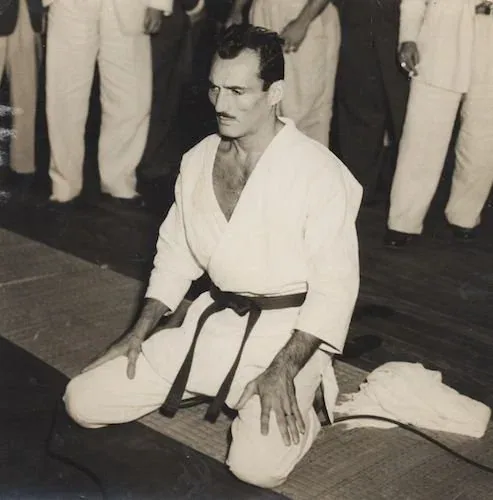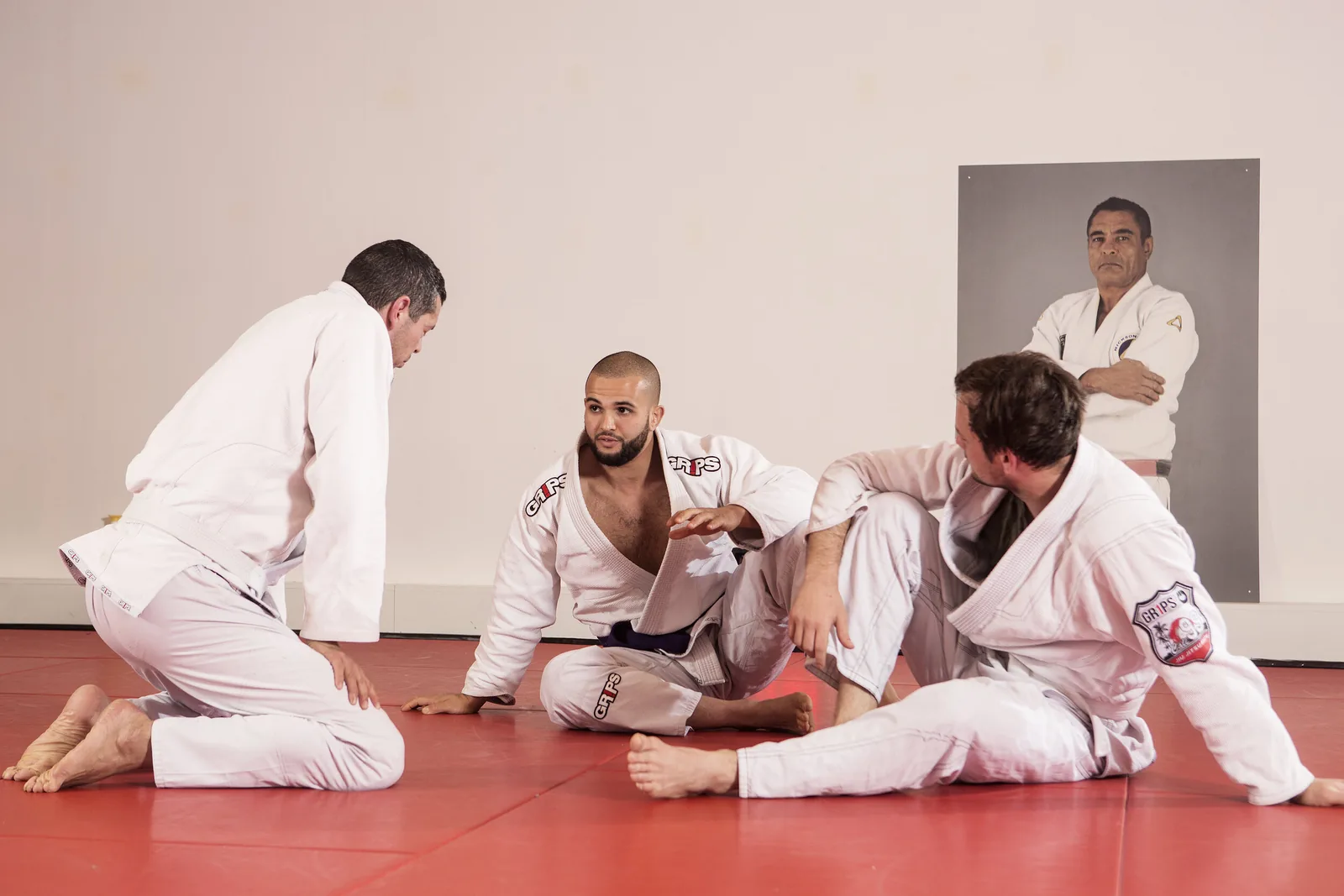
The world of martial arts is rich in history and tradition.
At its core, it is a story of individuals who have shaped the art and sport as we know it today.
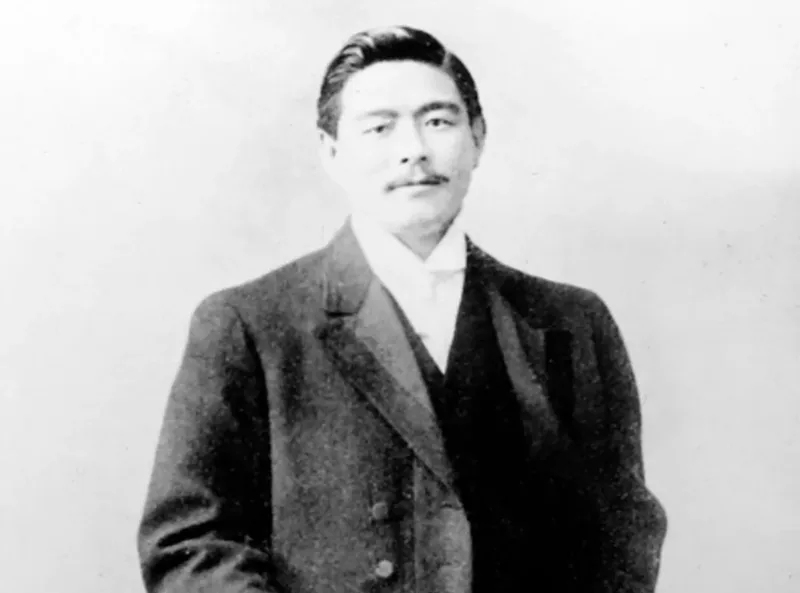
One such individual is Mitsuyo Maeda, a Japanese judoka whose influence extends far beyond his homeland.
Maeda's teachings, especially his emphasis on ground techniques, played a crucial role in the development of Brazilian Jiu-Jitsu (BJJ). His connection with the Gracie family, famous for their contribution to BJJ, testifies to his impact.
In this article, we delve into the life and legacy of Maeda. We explore his influence on the Gracie family, the evolution of martial arts, and his lasting impact on grappling sports.
Join us on a fascinating journey through the story of Mitsuyo Maeda, a man whose legacy continues to shape the world of martial arts.
The Life and Legacy of Mitsuyo Maeda
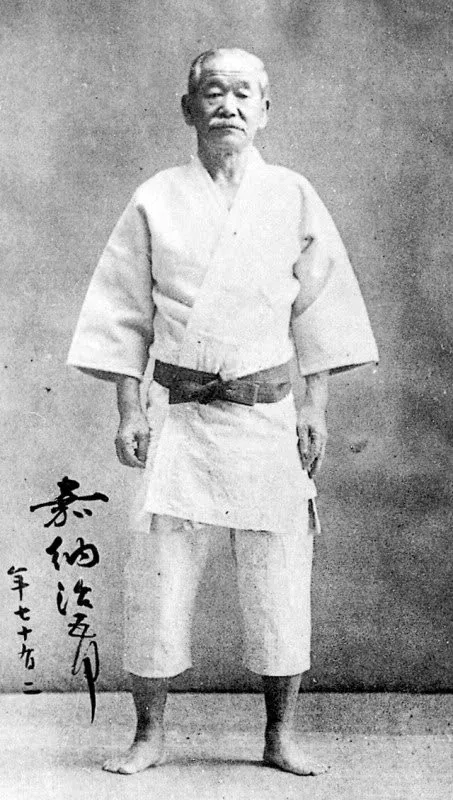
Born in 1878 in the village of Funazawa, in Aomori Prefecture, Japan, Mitsuyo Maeda was destined to leave a lasting mark on martial arts. He was a student of Jigoro Kano, the founder of judo, and was recognized as one of the "Four Heavenly Kings of Kodokan Judo."
Maeda's journey took him far beyond the borders of Japan. He traveled extensively, demonstrating and competing in judo matches in America, Europe, and Cuba. His travels not only showcased his exceptional skill in randori (free sparring), but also introduced the world to the art of judo.
In Brazil, Maeda's path crossed that of Gastão Gracie, a Brazilian scholar and politician. This encounter would prove crucial for the evolution of martial arts. Maeda taught judo to Carlos Gracie, Gastão's son, who, along with his brothers, adapted Maeda's teachings and developed Brazilian Jiu-Jitsu.
Maeda passed away in 1941, but his legacy lives on. His influence on the Gracie family and the global spread of BJJ testify to his contribution to martial arts. His teachings, characterized by ne-waza (ground techniques) and a focus on real combat situations, continue to shape the world of grappling sports.
Mitsuyo Maeda and the Connection with the Gracie Family
The connection between Mitsuyo Maeda and the Gracie family is a significant chapter in the history of martial arts. Maeda taught judo to Carlos Gracie, the eldest son of Gastão Gracie. Carlos, along with his brothers, adapted Maeda's teachings and laid the foundation for what would eventually become Brazilian Jiu-Jitsu (BJJ).
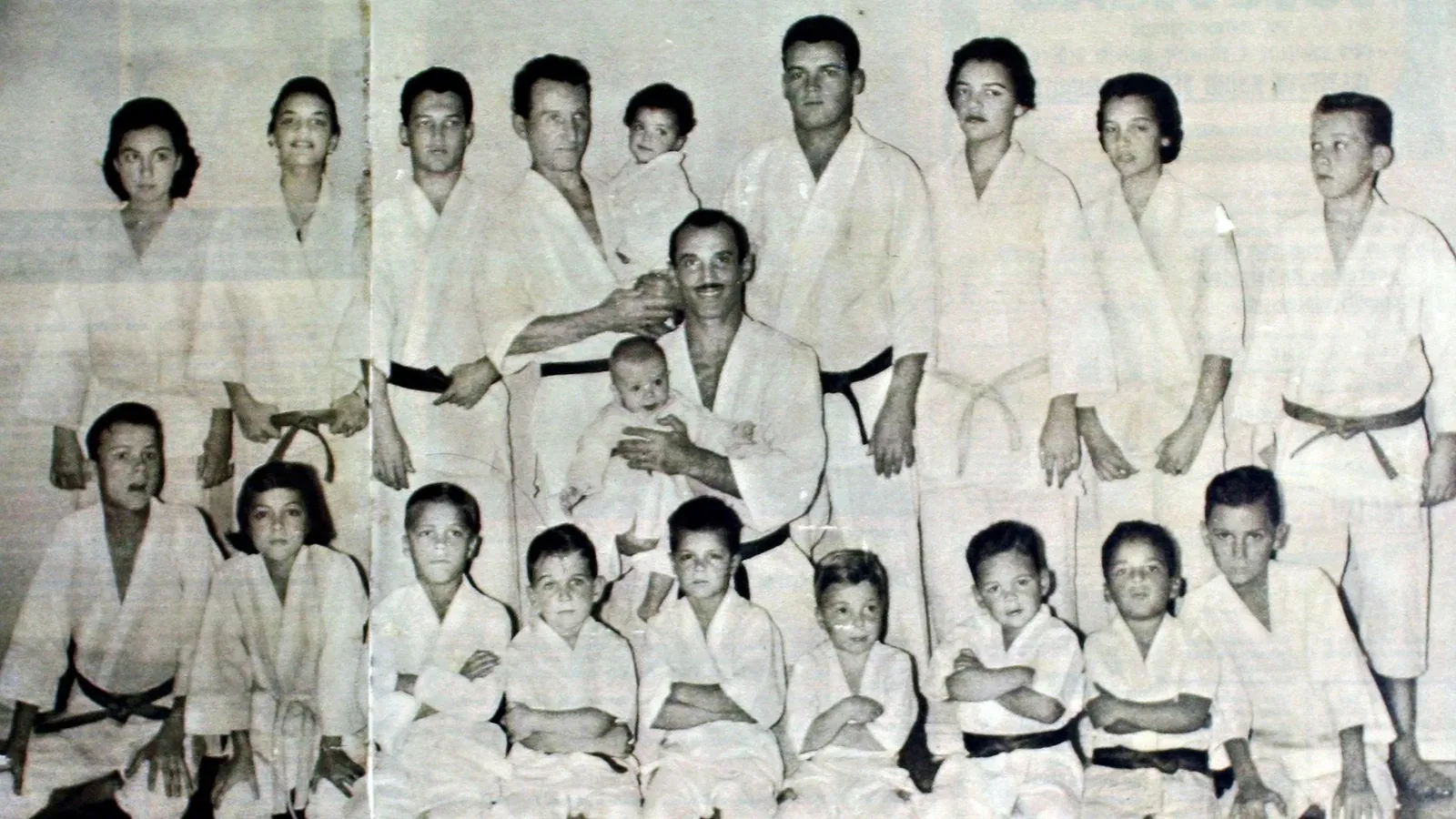
The Gracie family played a crucial role in popularizing BJJ worldwide. They demonstrated the effectiveness of the techniques Maeda had taught them in various competitions, including Vale Tudo and mixed martial arts (MMA). The success of the Gracie family in these competitions can be traced back to Maeda's teachings.
Maeda's influence extended beyond the Gracie family. His teachings also impacted other martial artists in Brazil, contributing to the rich fabric of Brazilian martial arts. His legacy is evident in the global spread of BJJ and its effectiveness in modern combat sports.
For more information on the effectiveness of BJJ in self-defense and martial arts, you can read this article.
The Evolution of Martial Arts Through Maeda's Influence
Mitsuyo Maeda's influence on martial arts extends beyond the development of Brazilian Jiu-Jitsu. His approach to judo was innovative and focused on adaptability, which helped bridge the gap between traditional martial arts and modern combat sports. Maeda's teachings emphasized real combat situations over sporting aspects, contributing to the evolution of martial arts into a more practical and effective form of self-defense.
Maeda's participation in no-holds-barred fights and his exceptional skill in randori (free sparring) further contributed to his understanding of practical combat. These experiences influenced his teachings and the techniques he taught his students. His emphasis on ne-waza (ground techniques) became a defining characteristic of Brazilian Jiu-Jitsu and other grappling sports.
The impact of Maeda's teachings is recognized in various halls of fame and is evident in the global spread of Brazilian Jiu-Jitsu. His contribution to martial arts, often referred to as the "Maeda-line," continues to shape the philosophy and techniques of modern grappling sports.
Maeda's Techniques: From Judo to Brazilian Jiu-Jitsu
Mitsuyo Maeda's techniques were a blend of traditional judo and his own innovations. His style was characterized by a strong emphasis on ne-waza (ground techniques), which became a defining feature of Brazilian Jiu-Jitsu. Maeda's approach to judo was innovative, focused on adaptability and practical applicability in real combat situations.
Maeda's teachings were adapted by the Gracie family to suit their physical characteristics and fighting style. This adaptation led to the development of Brazilian Jiu-Jitsu, a martial art that emphasizes ground fighting and submission holds. The success of the Gracie family in Vale Tudo and MMA can be traced back to Maeda's teachings, highlighting the effectiveness of his techniques in practical combat.
The preservation and adaptation of Maeda's techniques over time have played a significant role in the evolution of martial arts. His influence is evident in the fundamental techniques of Brazilian Jiu-Jitsu and other grappling sports, demonstrating the lasting impact of his teachings.
More information on strength and conditioning training for BJJ can be found in this article. To learn more about the history and development of judo, visit the official website of the Kodokan Judo Institute.
The Philosophical Impact of Maeda on Modern Grappling Sports
Mitsuyo Maeda's influence on modern grappling sports extends beyond techniques to the philosophical foundations of martial arts. His teachings emphasized the concept of "maximum efficiency with minimal effort," a principle deeply rooted in the philosophy of Brazilian Jiu-Jitsu and other grappling sports.
Maeda's philosophy also had a significant impact on the ethical and moral aspects of martial arts. His teachings promoted respect, discipline, and the pursuit of personal development through martial arts. These values continue to shape the culture of modern grappling sports, demonstrating the lasting philosophical impact of Maeda's teachings.
Maeda's World Travel and Cultural Exchange
Mitsuyo Maeda's travels around the world played a crucial role in the internationalization of martial arts. His journey took him to America, Europe, and Cuba, where he demonstrated judo and participated in competitions. This world tour facilitated significant cultural exchange, spreading knowledge of martial arts across cultural boundaries.
In particular, Maeda's time in Brazil had a profound impact on the evolution of martial arts in the country. His teachings influenced not only the Gracie family but also other martial artists in Brazil, shaping the development of Brazilian Jiu-Jitsu and contributing to the country's rich martial arts heritage.
The Preservation of the Maeda-line in Contemporary Martial Arts
The line of Mitsuyo Maeda continues to be preserved in contemporary martial arts. His techniques, philosophy, and approach to training are still studied and analyzed by martial arts scholars and practitioners. This preservation is a testament to the enduring relevance of Maeda's teachings in modern self-defense scenarios and the technical development of martial arts.
Moreover, the Maeda-line plays an important role in the martial arts education system. It reminds us of the historical context of martial arts, the importance of adaptability, and the value of "maximum efficiency with minimal effort" in combat situations.
Conclusion: Maeda's Lasting Influence on Grappling Sports
Mitsuyo Maeda's influence on grappling is undeniable. His teachings, techniques, and philosophy have shaped the evolution of martial arts, particularly Brazilian Jiu-Jitsu. His legacy continues to inspire martial artists worldwide, emphasizing the importance of adaptability, efficiency, and practical applicability in combat situations.
In summary, Maeda's journey from Japan to Brazil and his subsequent impact on the Gracie family and the world of martial arts is a testament to the power of cultural exchange and innovation. His story serves as a reminder of the rich history and depth of martial arts, and his influence continues to resonate in the world of grappling sports today.
For more insights into the benefits and effectiveness of BJJ, you can also read this article about the power of Brazilian Jiu-Jitsu. Additionally, this blog provides valuable information on strength and conditioning training for BJJ practitioners.

BJJ plays an essential role in addressing school problems such as violence and drug use. It promotes resilience, respect, and discipline in students, better preparing them for the challenges of daily life. Discover how BJJ can create a safe and respectful learning environment.
Read more → Timestamp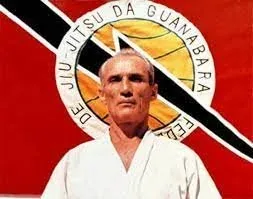
Helio Gracie, the founder of Brazilian Jiu-Jitsu, revolutionized martial arts with his innovative techniques and philosophies. Learn more about his life and legacy.
Read more → Timestamp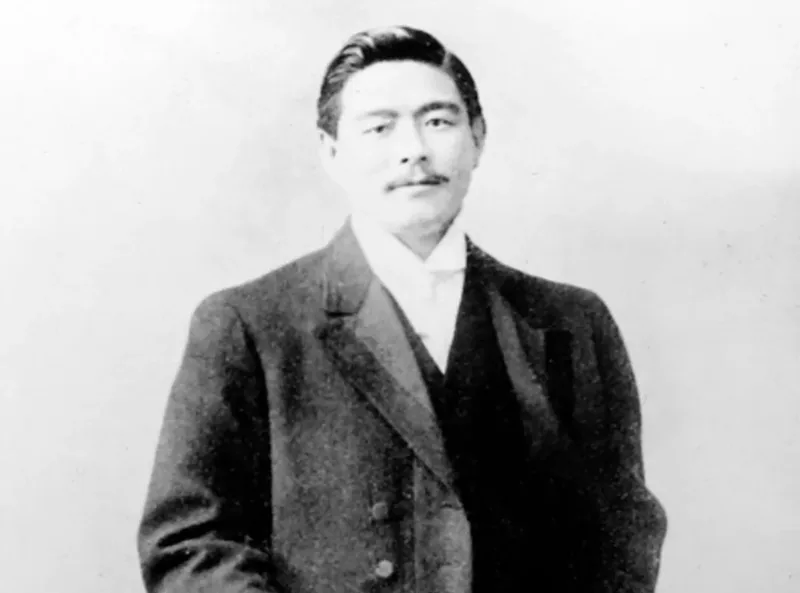
Mitsuyo Maeda, a Japanese judoka, played a crucial role in the development of Brazilian Jiu-Jitsu. His teachings, especially those focused on ground techniques, influenced the Gracie family and formed the basis for their success in martial arts.
Read more → TimestampThis article was originally published in Dutch. Read the Dutch original.