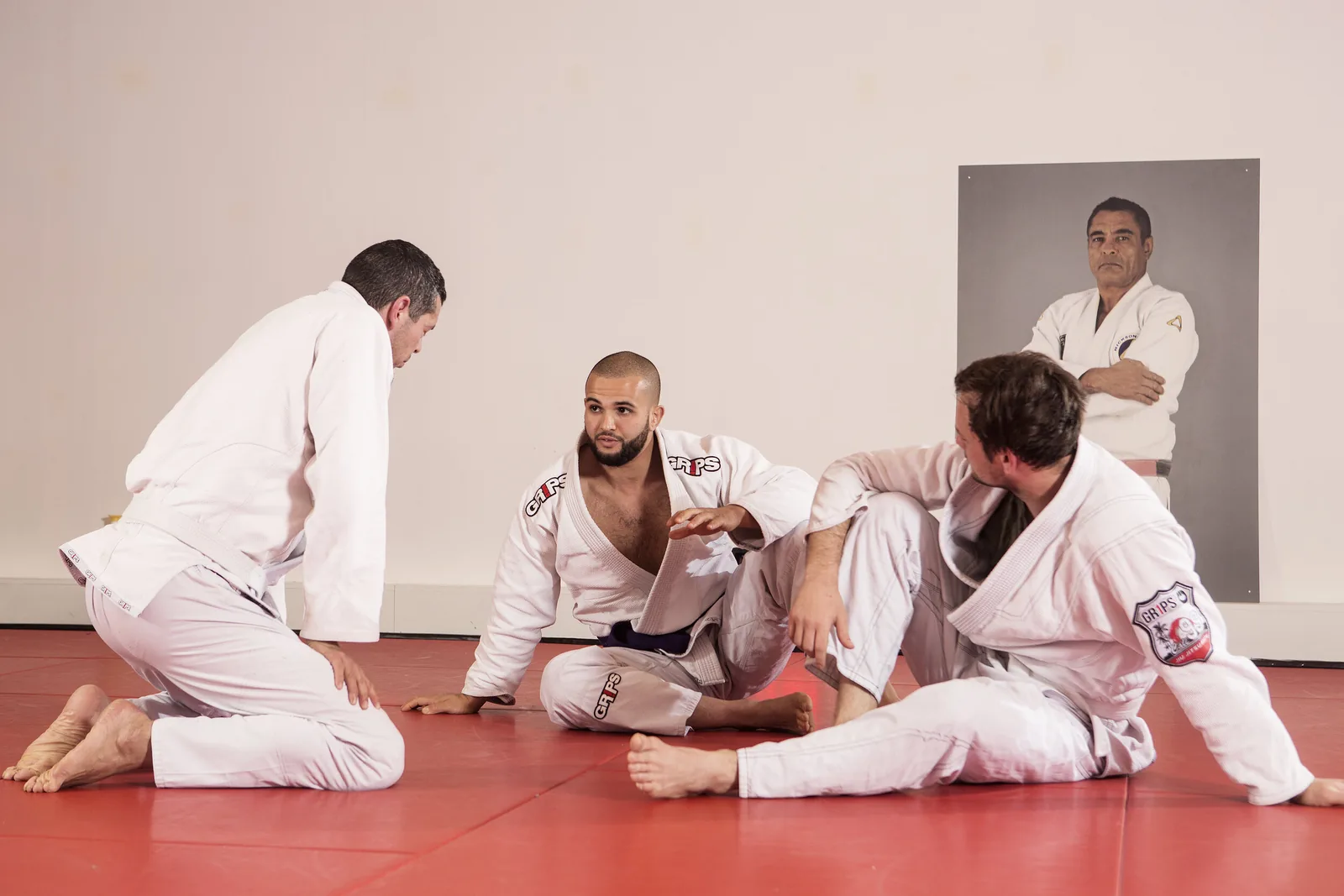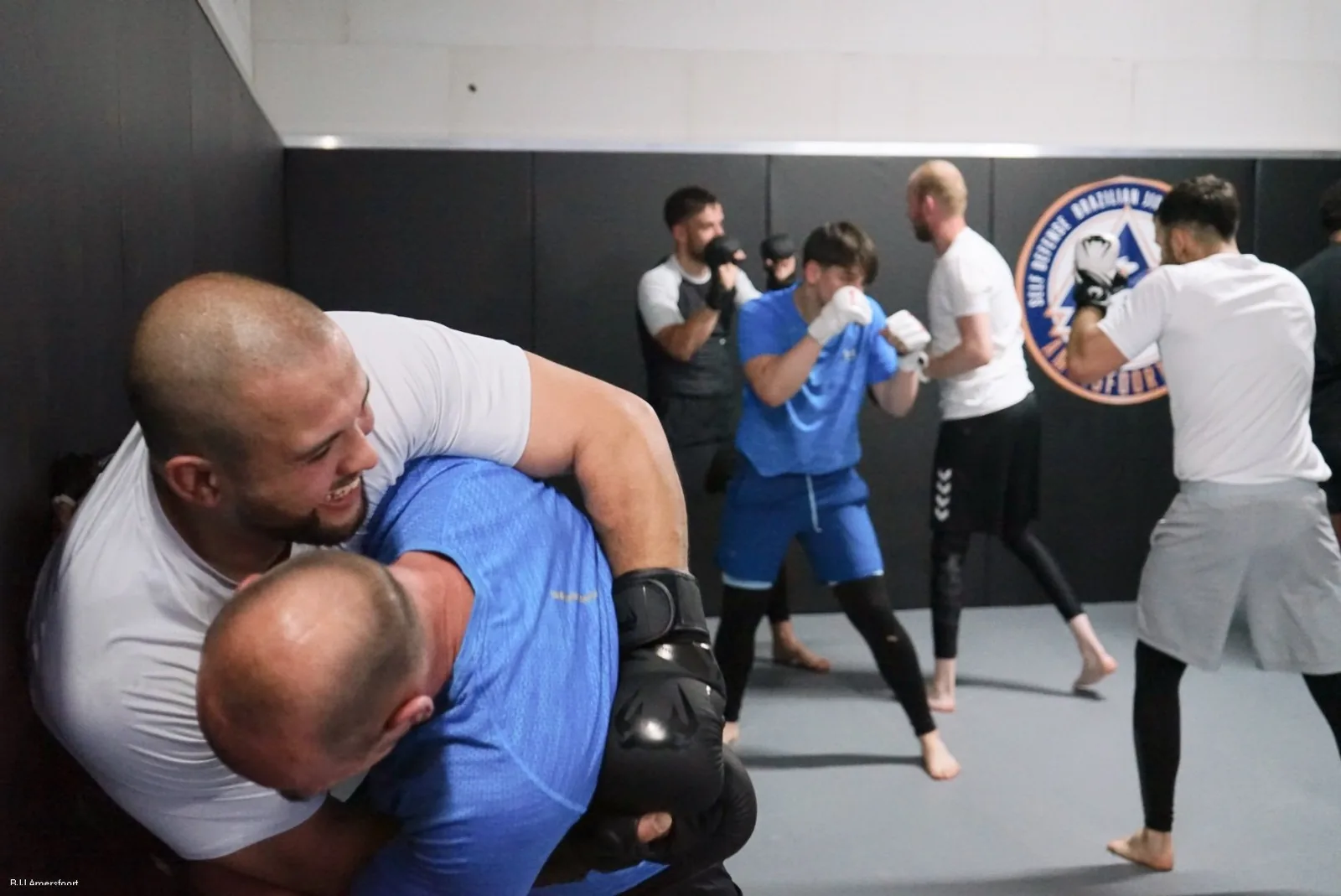
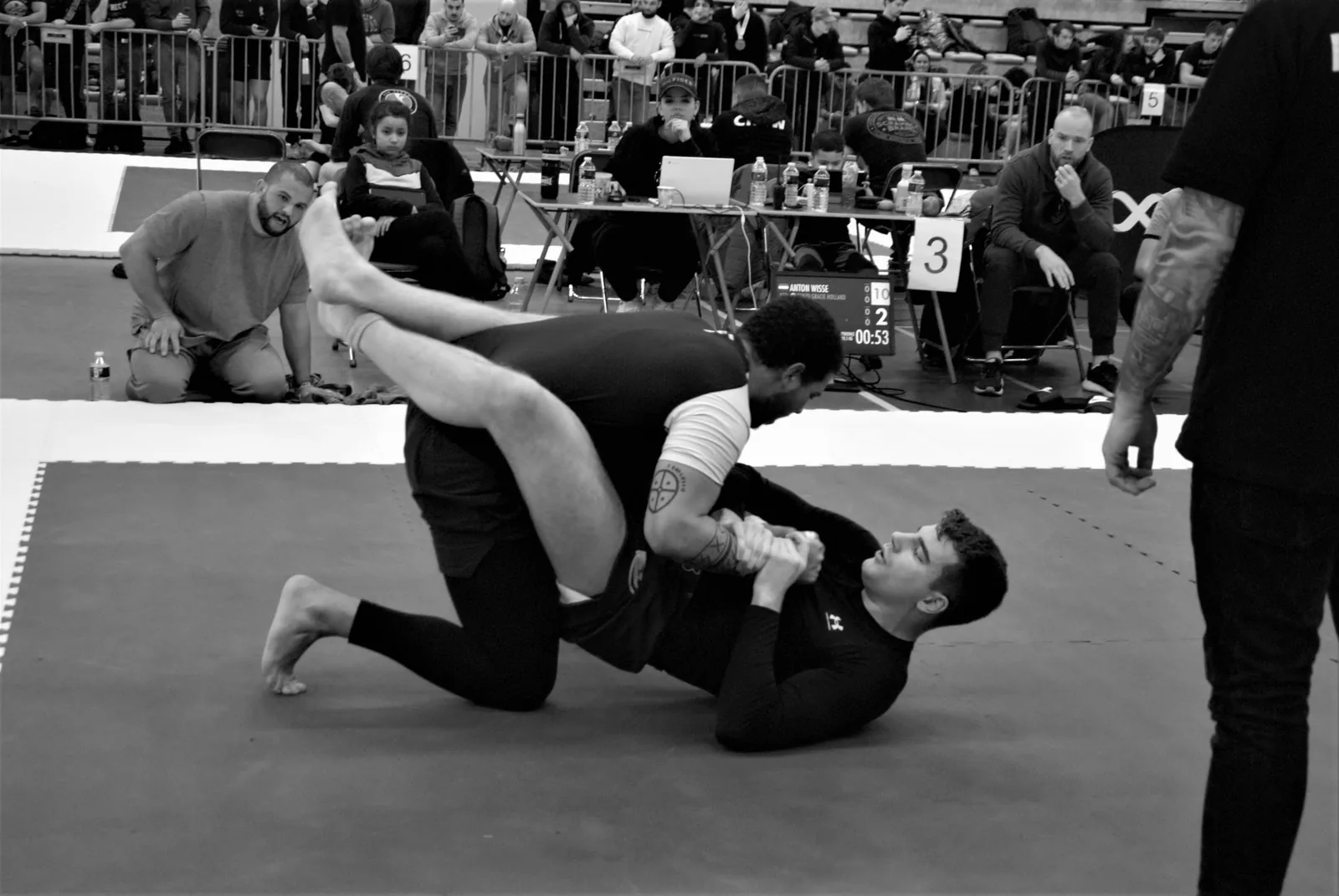
Brazilian Jiu-Jitsu, also known as BJJ, is a martial art that has gained enormous popularity in recent years. It is a sport where you physically challenge yourself and mentally challenge yourself to think strategically about your movements. At BJJ Amersfoort, we train hard and smart. That is why we like to approach BJJ in a scientific way; there are a few important aspects you need to pay attention to. In this blog, I will give you tips on how to approach your BJJ training in a scientific manner.
Start with a warm-up
It is important to start your BJJ training sessions with a good warm-up. This ensures that your body is ready for the training and prevents injuries. A good warm-up consists of various exercises that warm up your body and increase your heart rate. This can include a few laps of jogging, dynamic stretching, jumping jacks, and rolls. Make sure you don't waste too much energy during your warm-up, as you still have a whole training session to get through.Focus on technique
In BJJ, everything revolves around technique. It is important to master the right techniques to become a good BJJ practitioner. This means a lot of practice and spending a lot of time studying different techniques. By focusing on technique, you can ensure that you move effectively and efficiently during competitions and sparring.Train at different intensity levels
BJJ is a sport where you can train at different intensity levels. It is important to train at various levels to challenge your body and mind. This can mean that you sometimes train at a lower intensity level and, for example, only practice techniques. At other times, you can train at a higher intensity level, such as during sparring. By training at different intensity levels, you can continue to physically and mentally challenge and improve yourself.Use scientific knowledge
If you want to approach your BJJ training in a scientific way, it is important to use scientific knowledge. This means delving into areas such as anatomy, physiology, and sports psychology. By applying this knowledge to your training, you can, for example, improve your technique or better manage stress during competitions.Don't forget to rest
Finally, it is important not to forget that rest is just as important as training. Your body needs rest to recover and grow. Therefore, make sure you get enough rest between your training sessions and that you get enough sleep. This will not only improve your performance, but also reduce the risk of injuries!
This article was originally published in Dutch. Read the Dutch original.